“Ordinary” has many meanings…
This website is dedicated to Ordinary Theology – the everyday, implicit kind done by anyone who has an active interest in spirituality or religion. The kind done by people without any special training or education. If that’s you, I’m hoping you’ll find some useful resources to help inspire you on your journey…
Eastern Fathers
Who & Why?

Western Psychology
Freud, Jung & more

Events
Study & Read

Blog
Ordinary thoughts
Forthcoming Events…
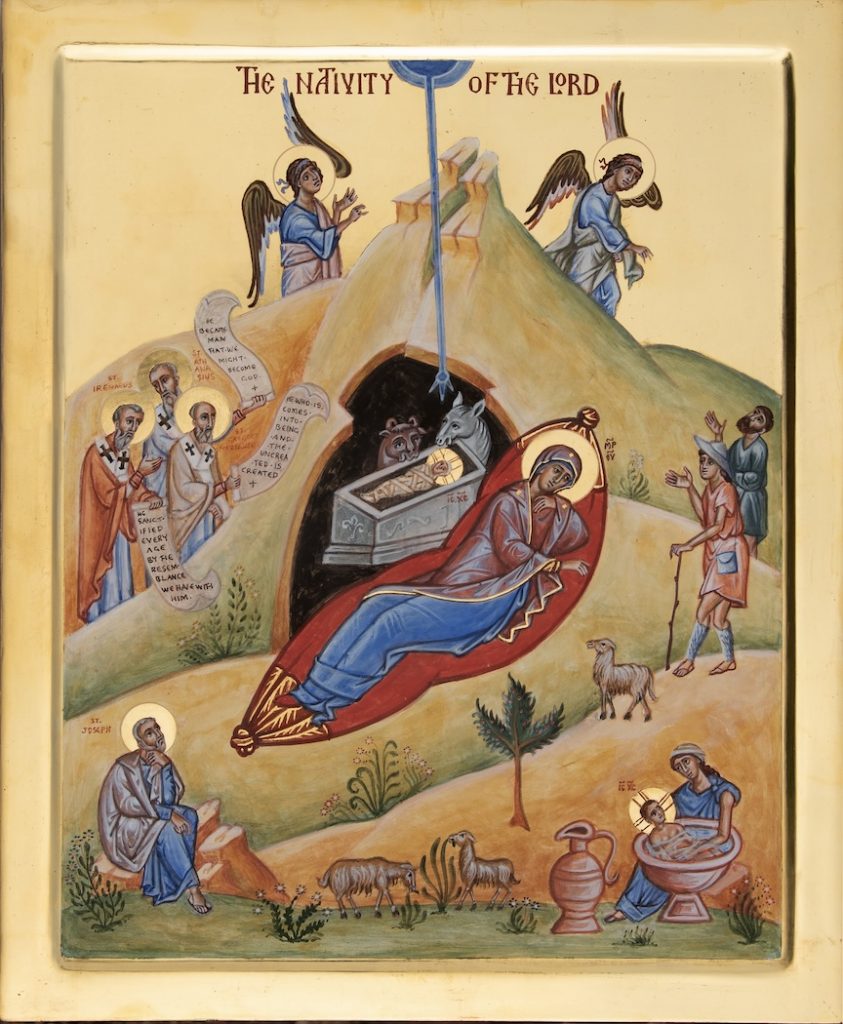
Pusey House, Oxford
Mon, 04 Dec, 06:15 PM
A reading group for Advent, working through this classic text over a series of three evenings, examining the event & implications of the Incarnation through the eyes of a key Early Church figure. St Athanasius (c. 295-373 AD) is intimately connected with the fourth century formation of the doctrine of the Trinity. His writings speak powerfully of the full divinity of God made man in Christ, and the implications of this event for humanity. His small book “On the Incarnation” is still seen today as a classic exposition on the topic, and is perhaps especially important for Western Christians, since…
Free
Pusey House, Oxford
Mon, 11 Dec, 06:15 PM
A reading group for Advent, working through this classic text over a series of three evenings, examining the event & implications of the Incarnation through the eyes of a key Early Church figure. St Athanasius (c. 295-373 AD) is intimately connected with the fourth century formation of the doctrine of the Trinity. His writings speak powerfully of the full divinity of God made man in Christ, and the implications of this event for humanity. His small book “On the Incarnation” is still seen today as a classic exposition on the topic, and is perhaps especially important for Western Christians, since…
Free
Pusey House, Oxford
Mon, 18 Dec, 06:15 PM
A reading group for Advent, working through this classic text over a series of three evenings, examining the event & implications of the Incarnation through the eyes of a key Early Church figure. St Athanasius (c. 295-373 AD) is intimately connected with the fourth century formation of the doctrine of the Trinity. His writings speak powerfully of the full divinity of God made man in Christ, and the implications of this event for humanity. His small book “On the Incarnation” is still seen today as a classic exposition on the topic, and is perhaps especially important for Western Christians, since…
Free
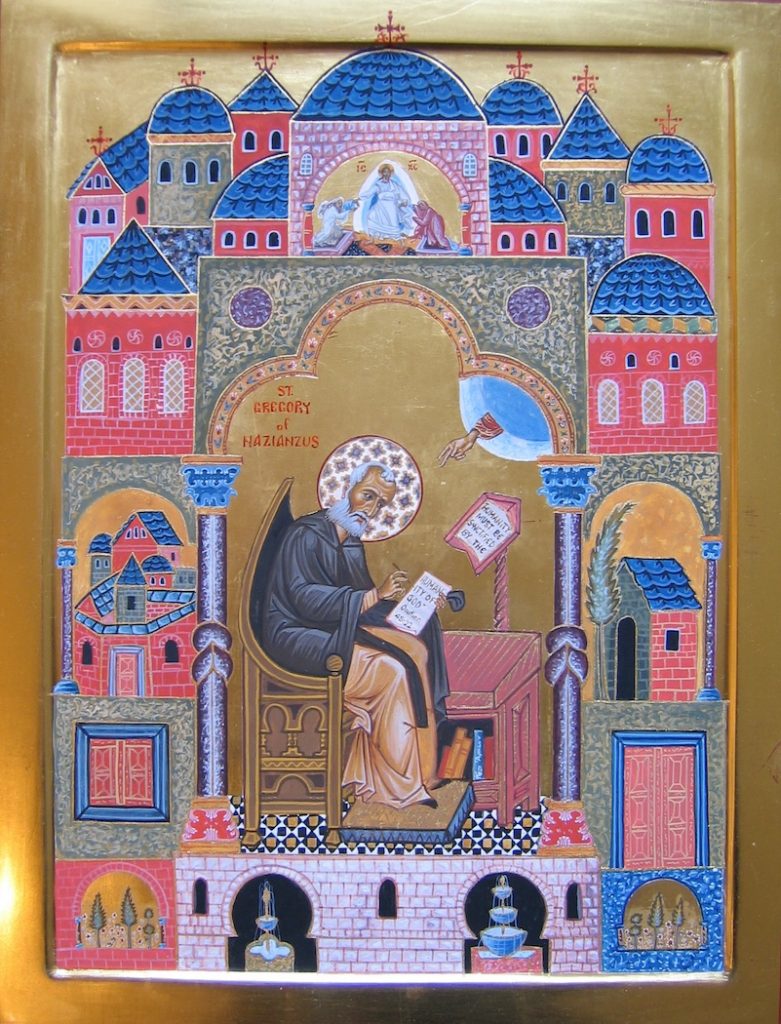
Ripon College Cuddesdon, Oxford
Sat, 20 Jan, 10:00 AM
What can we in the contemporary West learn from an ancient Eastern saint such as Gregory “The Theologian”, specifically on the topics of the Trinity and Salvation? That’s the task for this Study Day. The day will commence with an introduction to the 4th century context in which St Gregory found himself, along with an overview of his life and work. This will provide a useful introduction and orientation if you’re looking to continue reading & understanding more about Gregory and perhaps the other Cappadocian Fathers afterwards. The second session will explore some of the contemporary “common sense” views-from-some-Western-pews on…
Starting
£25.00
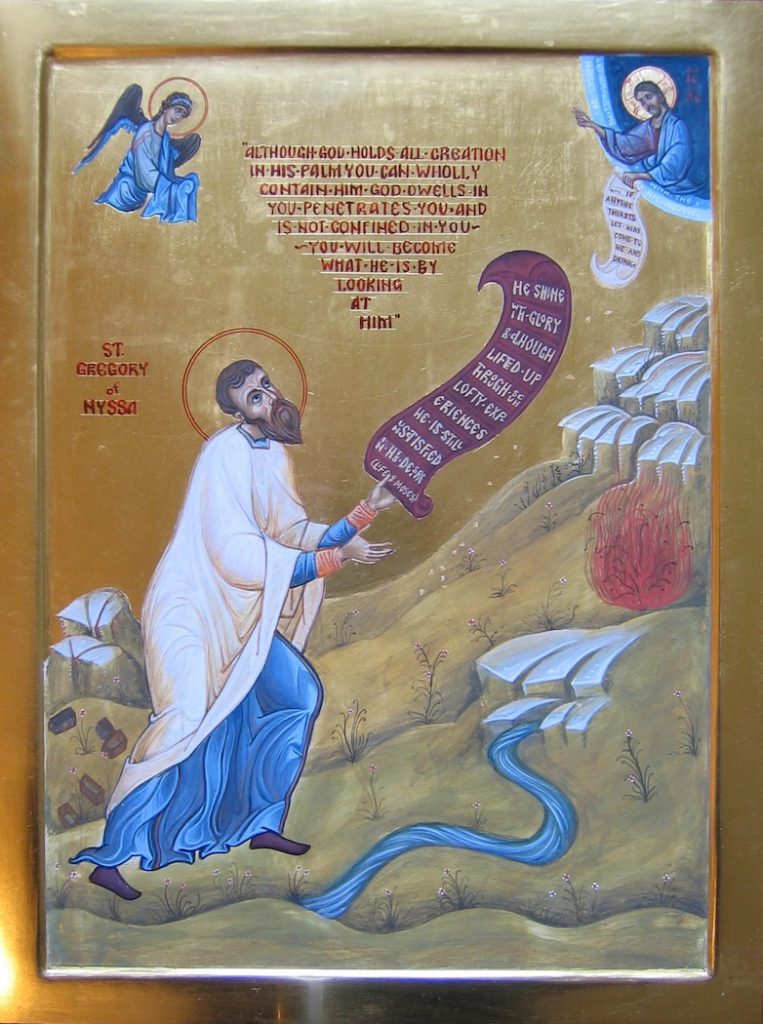
Ripon College Cuddesdon, Oxford
Sat, 03 Feb, 10:00 AM
“He did not make the heavens in his image, nor the moon, sun, the stars’ beauty, nor anything else you see in creation. You alone are made in the likeness of that nature which surpasses all understanding, the image of incorruptible beauty, the impression of true divinity, receptacle of blessed life, seal of true light… Nothing in creation can compare to your greatness.” (Gregory of Nyssa, Commentary on the Song of Songs, Homily 2). If you’ve ever wrestled (or are wrestling) with how you feel about being human whilst sitting in a Western pew, come and hear what Gregory has…
Starting
£25.00
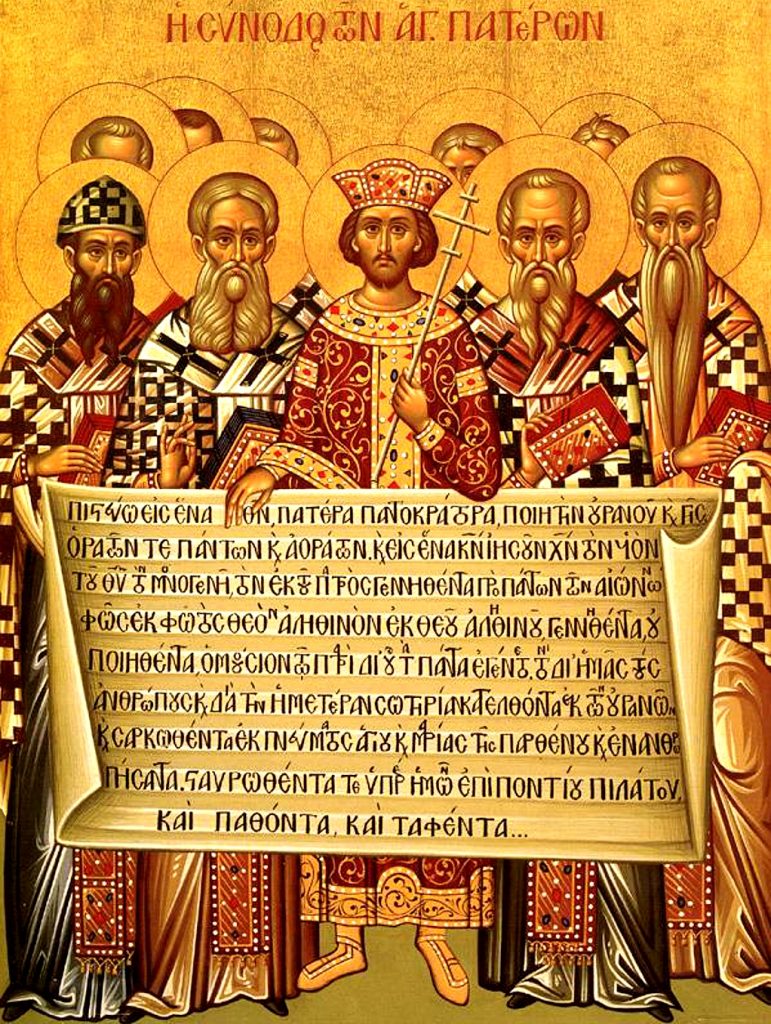
Ripon College Cuddesdon, Oxford
Sat, 10 Feb, 10:00 AM
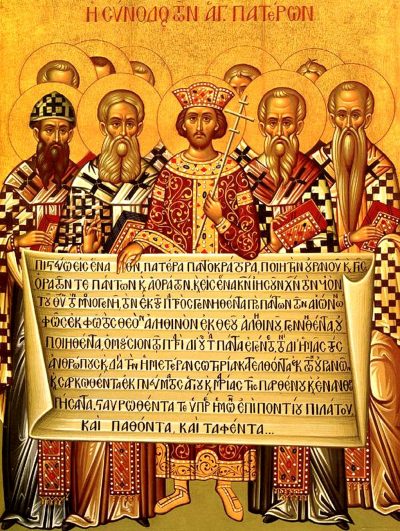
"Begotten not made, of one being with the Father"... is a crucial but perplexing phrase in the Nicene Creed. What does it mean, why was it so important (and controversial) and how did we end up with the doctrine of the Trinity? The answers are to be found in the heated 4th century debate which arose following the condemnation of the preaching of a popular Egyptian priest named Arius. This Study Day will commence by providing an overview of what Arius taught and why, before examining the initial response of the Church (at the council of Nicaea in 325 AD)…
Starting
£25.00